Period tracker
for teens.
A safe, private app that helps girls and parents better understand hormone patterns, puberty, body changes, and each girl's unique body rhythm.

✿ Free for all girls ✿ Parent Dashboard ✿ Ages 10–17





A space to grow.
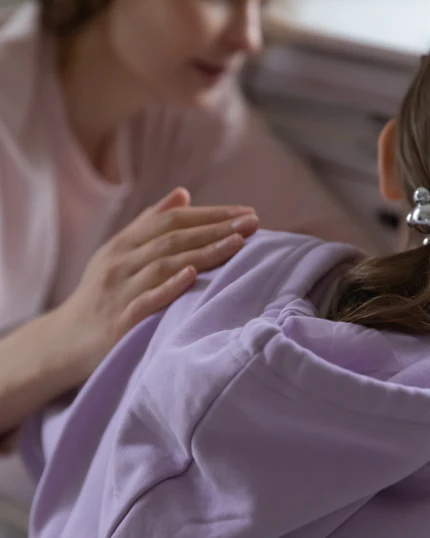
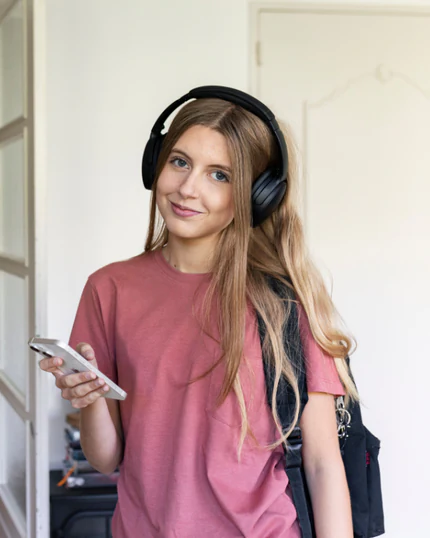
The Ladybird Club gives every girl a private space to understand her body — and parents a supportive view to help her thrive.
Your space. Your body.
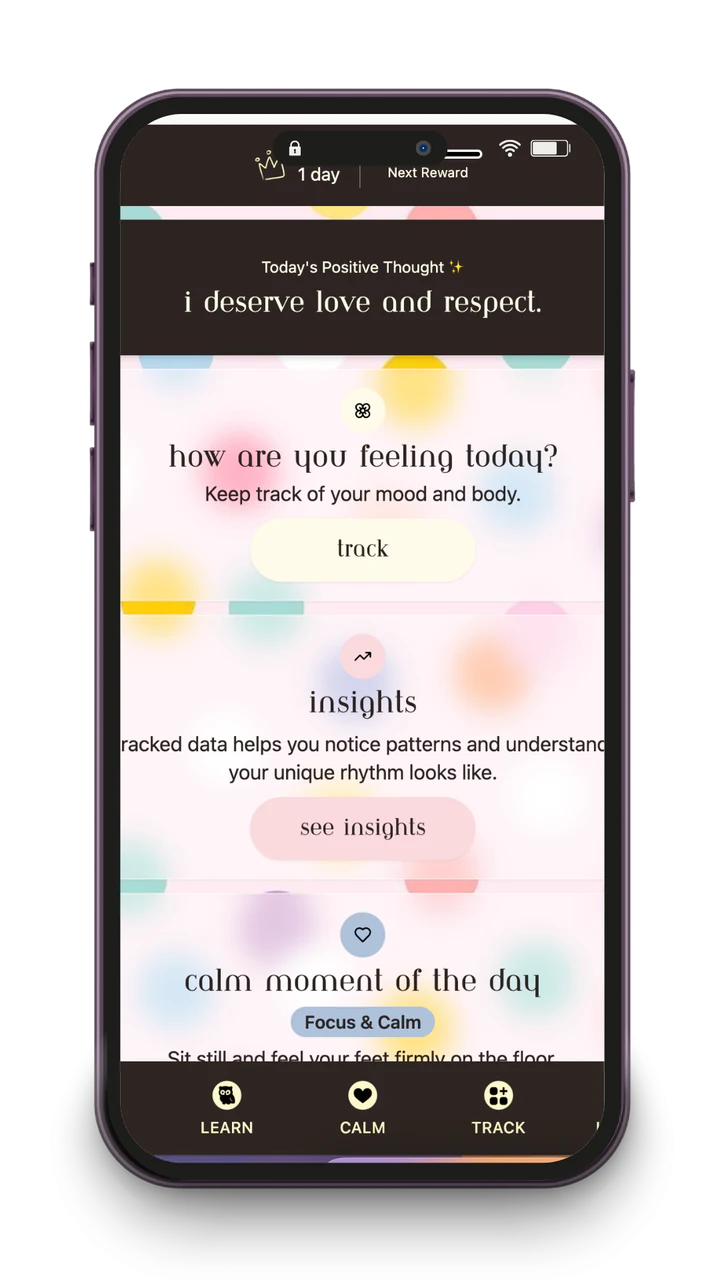
Your place to understand your body, track your cycle, and feel confident in every phase.
- Hormone & cycle phase insights
Understand why you feel the way you do - Daily tracker — 11 categories
Mood, skin, sleep, energy and more - 100% private journal
Parents never see her entries - 288+ articles & guides
Written by experts for curious girls
Real stories. Real impact.
"My daughter finally understands why she feels different each week. She calls it her body calendar and checks it every morning. It has genuinely changed our relationship."
"I used to dread that week every month. Now I actually track how I feel and it makes so much more sense. I feel way more in control."
"As a dad I had no idea what to say or when. The dashboard showed me where she was in her cycle and suddenly I knew how to show up for her."
"I was really scared about getting my period. This app made me feel like it was totally normal and actually kind of exciting. I love the articles."
"We share this with every family we work with. It covers things that school just does not have time for and the girls actually engage with it."
"She came to me with questions I never expected. The app opened up conversations we had never had before. I honestly cannot recommend it enough."
Everything you need to know.
The Ladybird Club is a free period and hormone tracker designed specifically for girls aged 10 to 17. It helps teens understand their menstrual cycle, track how they feel each day across 11 categories including mood, skin, sleep and energy, and learn about the hormone changes that shape how they feel throughout the month.
Yes, the app is completely free for every girl. There is no paywall for any of the core features including tracking, cycle insights, articles and the private journal. The optional parent dashboard is available as a paid upgrade at £6.99 per month, but girls never need to pay anything.
Completely. Your daughter's daily tracking, journal entries and personal notes are never visible to parents. The parent dashboard only shows cycle phase information, not what she has written or logged. The app is fully GDPR compliant and built with teen privacy as the first priority.
The Ladybird Club is designed for girls aged 10 to 17. The content, language and tone are carefully written to be age appropriate across that whole range, whether a girl is just starting to think about puberty or already a few years into her cycle.
The parent dashboard shows which phase of her cycle your daughter is currently in, helping you understand why she might be feeling low energy, more emotional or particularly sociable on certain days. It also includes safety alerts across 21 categories with three levels of urgency, so you can act if something needs attention. It never shows her private entries.
Absolutely. Many girls start using The Ladybird Club before their first period to understand what to expect, track mood and body changes during puberty, and feel prepared and confident. Understanding your body before your period arrives can make the whole experience much less scary.
Most period trackers are built for adults. The Ladybird Club is built from the ground up for teenagers, with age appropriate content, a focus on education not just prediction, a connected parent view, and a safe private space that feels like the app belongs to her. It is about understanding your body, not just counting days.
Real answers, real talk.
Honest guides on periods, hormones and growing up - written for girls aged 10 to 17 and the parents beside them.
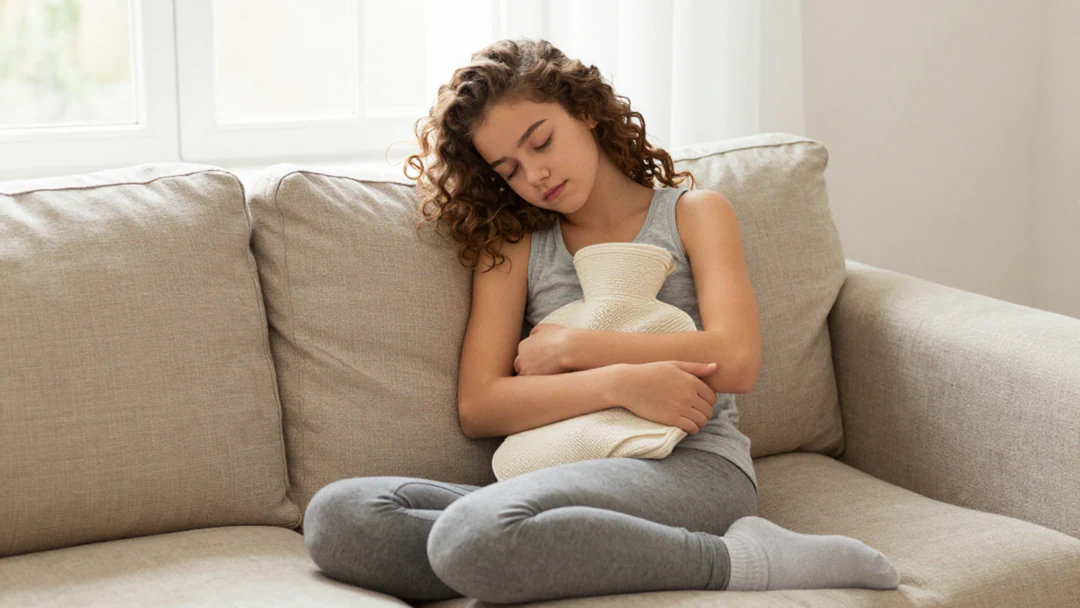
What is a period?
A clear, friendly guide to what a period actually is, why it happens and what to expect — nothing left unexplained.
Read the article →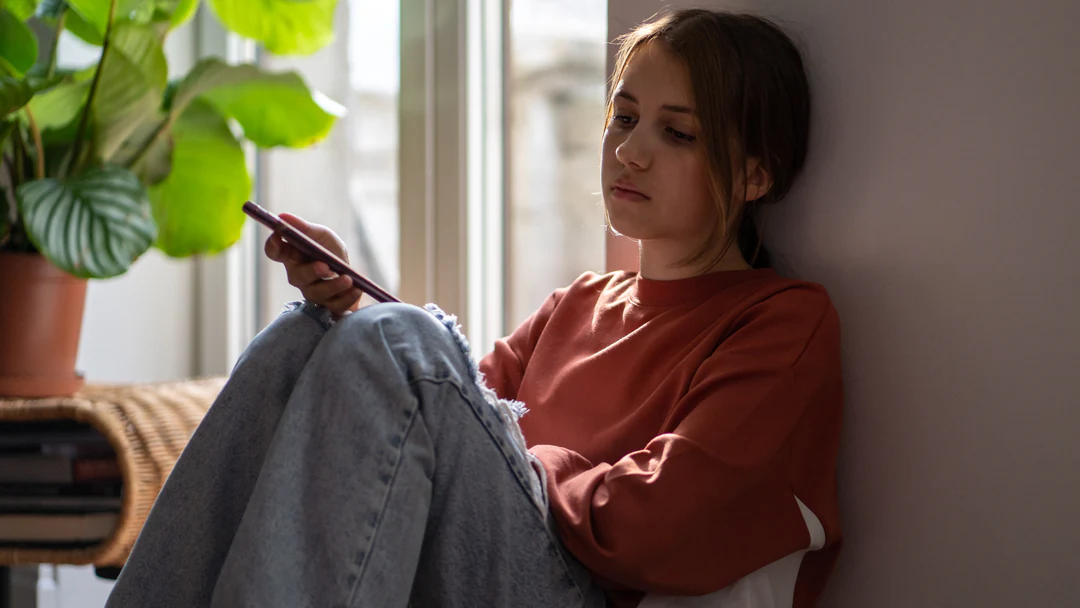
Is her moodiness just growing up, or something more?
How to tell ordinary teenage hormones from something that needs a closer look, and how to respond with calm.
Read the article →